7 Indian Musicians Who Have Become Style Icons
Writer – Nidhi Dharme
From AP Dhillon's streetwear to Diljit Dosanjh's Met Gala turban these 7 Indian musicians are shaping fashion as much as sound in 2026.
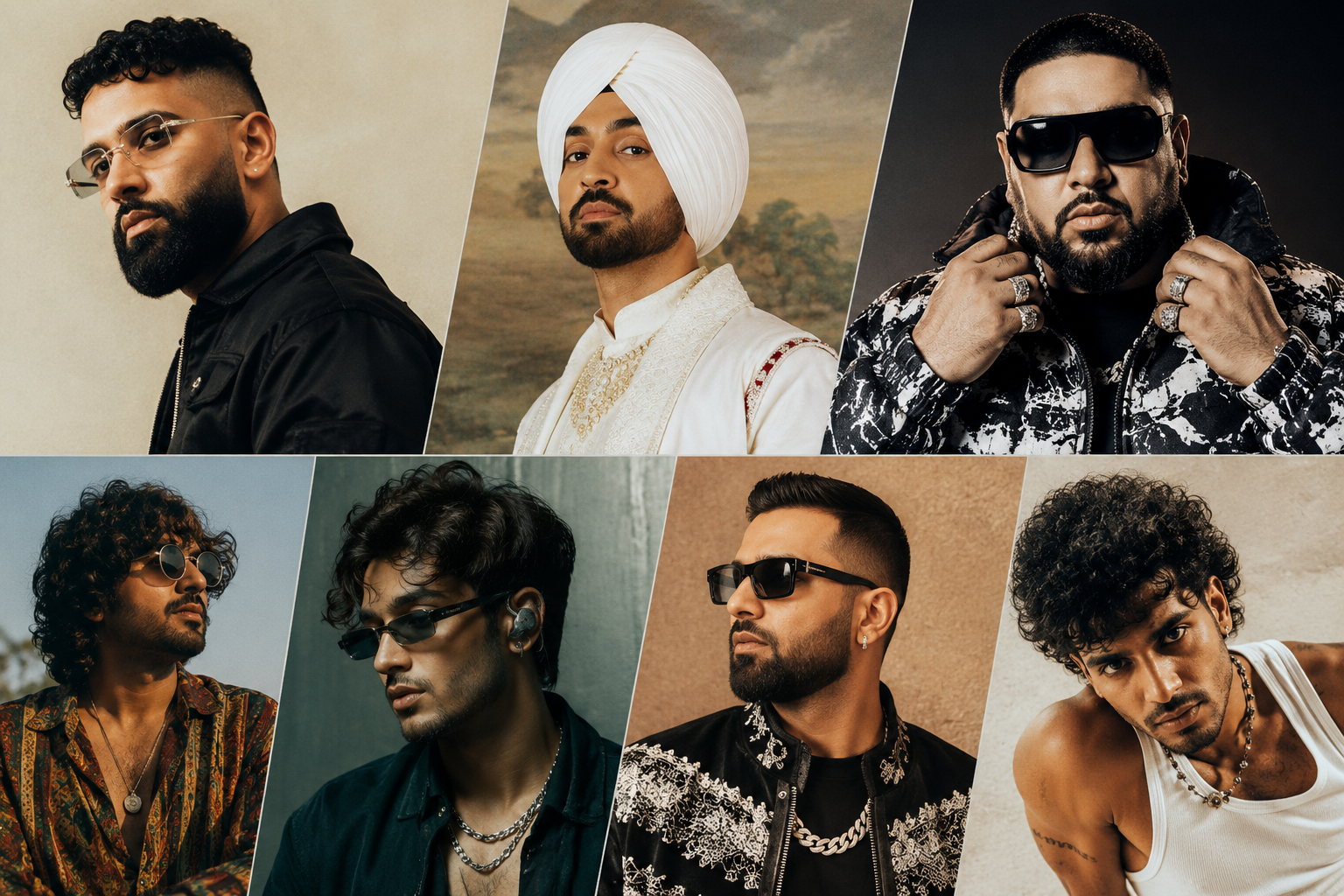
There's a specific moment when a musician stops being just a sound and becomes a visual reference point when their style gets discussed with the same intensity as their discography. India's music scene currently has more of these figures than at any point in its history.
The Punjabi Canadian artist's aesthetic minimal, expensive looking streetwear with a quiet confidence that never tries too hard has become a genuine reference point for young Indian and diaspora men trying to dress like they have somewhere important to be. Clean silhouettes, considered layering, and an overall restraint that reads as more sophisticated than louder streetwear alternatives.
No one on this list has done more to put Indian cultural fashion on a literal global stage. His Met Gala appearance in a turban and ceremonial sword wasn't a costume, it was a statement that Punjabi identity needs zero translation to command respect at the world's most watched fashion event. His everyday style, bold colour, traditional elements worn with total confidence, zero apology has become aspirational precisely because it refuses to dilute itself for anyone.
The flashier, maximalist counterpoint to Diljit's confident traditionalism. Badshah's style bold prints, statement chains, an unapologetic embrace of more is more represents a different but equally influential strand of Indian musician fashion that has shaped how an entire generation of fans approach accessorising and colour.
The indie electronic artist's style is the opposite of flashy and exactly as influential. Ritviz represents the festival core aesthetic that has taken over India's growing electronic and indie music scene, relaxed, comfortable, slightly bohemian pieces that prioritise movement and authenticity over polish, mirroring the genuinely independent spirit of his music.
King's rise alongside the broader Indian hip-hop and R&B wave brought with it a specific aesthetic of soft, layered, slightly androgynous streetwear that broke from the hyper masculine codes that dominated earlier Indian hip-hop style. His influence on younger artists' fashion choices has been significant in normalising a gentler visual register within Indian hip-hop.
From sold-out stadium tours to becoming a defining voice of the new Punjabi music wave, Karan Aujla's style, confident, traditional meets contemporary, often featuring statement jewellery and rich textures reflects the same cultural pride that defines his music. His rise has coincided with and amplified a broader resurgence of confidently Punjabi aesthetic choices across Indian youth fashion.
The South Indian hip-hop artist whose breakout moment turned global attention toward Indian hip-hop in a way few predicted. His style, raw, grounded, deliberately unglamorous in a way that matches the gritty visual register of his breakout work represents a different model of musician as style icon: influence through authenticity rather than aspiration.
What unites all seven is a refusal to dilute their cultural specificity for broader appeal and that refusal is exactly what's making Indian musicians some of the most genuinely influential style figures globally right now. The same confidence runs through the best homegrown Indian fashion brands building today. Explore them at Cop&Drop.