How Instagram and Creators Built India’s Indie Fashion Economy
Writer – Amay
The traditional runway is dead or at least, it has moved to a 6-inch screen. In 2025, the rise of indie fashion brands India is no longer just a trend; it is a full-scale retail revolution powered by the "scroll-to-shop" behavior of millions. For independent labels, Instagram has evolved from a visual lookbook into a high-octane engine of commerce. We are witnessing a massive shift in the creator economy where storytelling converts directly into sales.
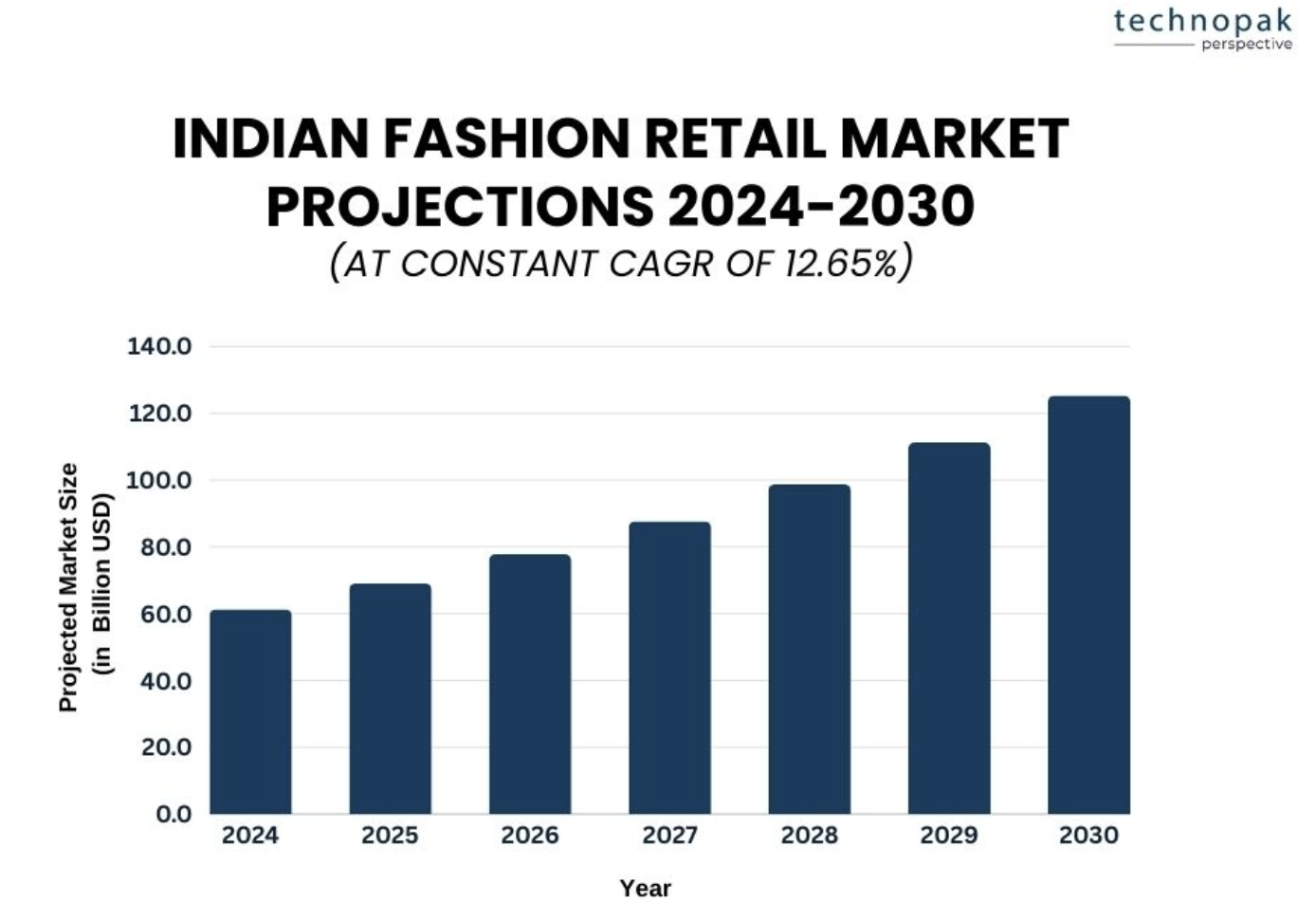
India's fashion ecosystem is experiencing a democratization of design. It’s not just about big retail chains anymore; it’s about the explosive growth of homegrown Indian brands that are bypassing middlemen to connect directly with Gen Z and millennial buyers. With social commerce in India projected to hit new highs this year, the intersection of creator influence and indie entrepreneurship is where the real market value now lives.
The “indie fashion economy” in India refers to a decentralized marketplace of creator-led, small-batch, and often sustainable labels that operate primarily or exclusively on social platforms. It marks a shift away from mass production toward curated, narrative-driven commerce. Instagram functions here not just as a gallery, but as a dynamic incubator. Features like Instagram Shops, shoppable tags, and the “Link in Bio” ecosystem have turned the app into a virtual high street for indie fashion brands India. The platform flattens the playing field, allowing a label operating out of a bedroom in Jaipur to compete for attention with established giants in Mumbai. It is a marketplace defined by discovery, where the algorithm rewards authenticity over advertising budgets.
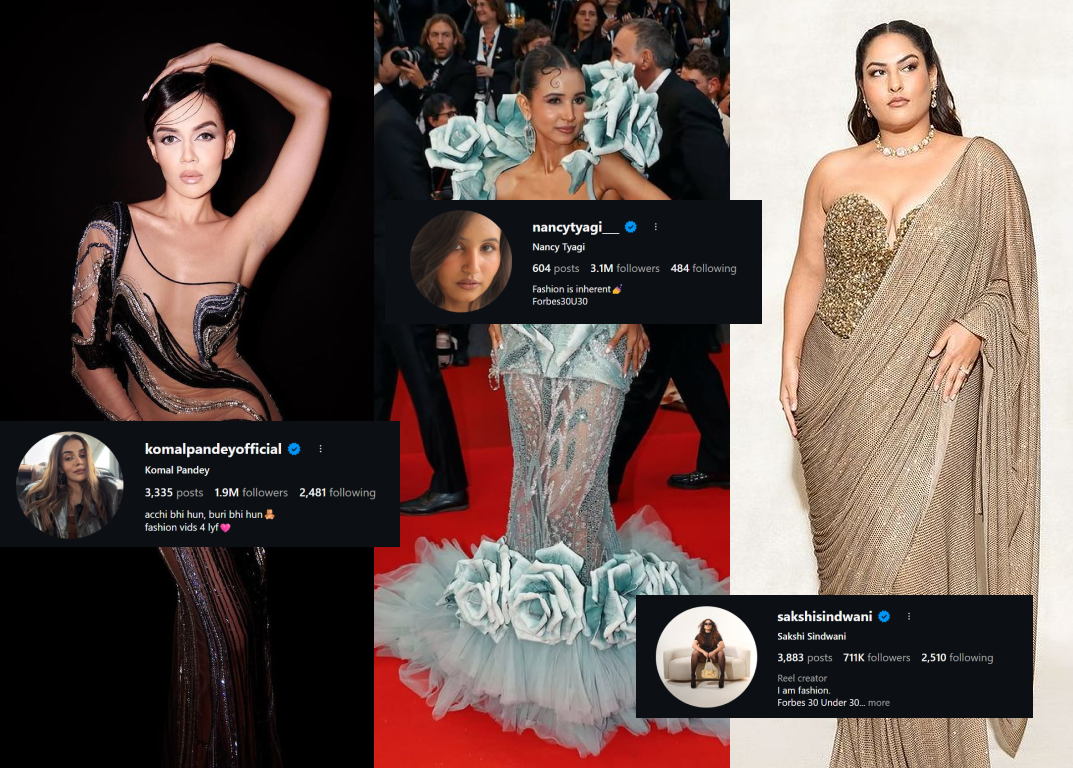
The architects of this new economy are a diverse mix of style evangelists. We have the macro-influencers — names like Komal Pandey and Sakshi Sindwani, who have mainstreamed bold aesthetics and body positivity. However, the real engine of niche growth in 2025 is the legion of micro and nano-creators. Unlike celebrities who sell aspiration, these creators offer attainability. They are the ones discovering and vouching for small Indian brands that mass media ignores. From sustainable thrift flippers to advocates of modern Indian culture styling handloom sarees with sneakers, these creators are redefining influence. They don’t just wear clothes; they contextualize them, bridging the gap between a product and a lived lifestyle.
Today, platforms like Cop&Drop help shoppers discover and shop indie fashion brands in India without relying solely on Instagram DMs. Content on Instagram doesn’t just display fashion; it accelerates trend cycles. Short-form video (especially Reels) has become the primary visibility currency for indie fashion brands India. A 15-second Reel featuring a clever drape or styling hack can sell out a collection faster than traditional PR ever could. We’re also seeing the rise of collaborative design. Emerging Indian brands are using polls and question stickers to let communities choose fabrics, cuts, and colors before production begins. This feedback loop turns followers into co-creators, shifting fashion culture from top-down decisions to bottom-up participation.
Instagram helps indie fashion brands in India grow by: Enabling direct-to-consumer sales through Shops and DMs Helping creators drive discovery via Reels and Explore Reducing marketing costs for small clothing brands Allowing real-time feedback before production The path from “I like that” to “I bought that” has never been shorter. Instagram has effectively removed traditional retail friction for indie brands. With integrated checkout features and direct messaging becoming valid sales channels, indie clothing brands India are thriving on a D2C model. For many indie clothing brands India, Instagram is not just a marketing channel but the primary storefront replacing traditional e-commerce websites. The benefits are structural: low entry costs and high creative control. Designers can launch collections through Stories, accept orders via DMs, and gather real-time feedback without investing in physical storefronts. This “Reels-to-retail” pipeline allows Indian small clothing brands to protect margins while staying deeply connected to their audience.
Case Study 1: The Co-Created Gen Z Label Consider the rise of brands like Pehrin. By documenting sourcing and stitching via Reels, they invited followers to vote on sleeve lengths and prints. Their debut collection sold out in hours—not because of hype, but because the audience felt involved. For indie fashion brands India, transparency has become marketing. Case Study 2: Artisan Revival via Micro-Influencers Platforms spotlighting Indian homegrown brands leveraged micro-influencers focused on slow living and sustainability. Raw, unfiltered content helped overcome the touch-and-feel barrier of online shopping and drove meaningful conversions for artisanal labels.
The landscape is brutal. Content saturation is real, and organic reach remains volatile. An algorithm tweak can silence a business overnight. Monetization is another challenge. Discovery happens on Instagram, but conversions especially DM-led sales remain hard to track. Add to that the copycat crisis, where fast-fashion giants replicate viral designs within weeks, eroding the uniqueness of indie brands India.
The symbiosis between Instagram and Indian fashion will only deepen. Expect growth in shoppable AR features and virtual try-ons. Marketing budgets will shift from billboards to long-term creator partnerships. As noted in a CNBC feature on India’s booming creator economy, influencers are increasingly launching their own brands and businesses after building audiences online — a trend that mirrors how indie fashion brands India are leveraging creator influence to grow beyond social media. Increasingly, emerging Indian brands will build capsule collections alongside creators, blurring the line between influencer and entrepreneur. The future of Indian fashion is personal, digital, and undeniably indie.