The Rise of Genre-Bending Music: When Indie Meets Legacy Voices
Writer – Nidhi
In the constantly evolving world of music, some of the most exciting moments happen when different generations and styles collide. A recent example that sparked conversation among listeners is the song Is Tarah, which brings together the experimental energy of Chaar Diwari and the timeless vocals of Sonu Nigam. But the real story isn’t just about one track. It’s about a growing genre movement where indie producers and internet age artists collaborate with legendary voices to create something completely new.
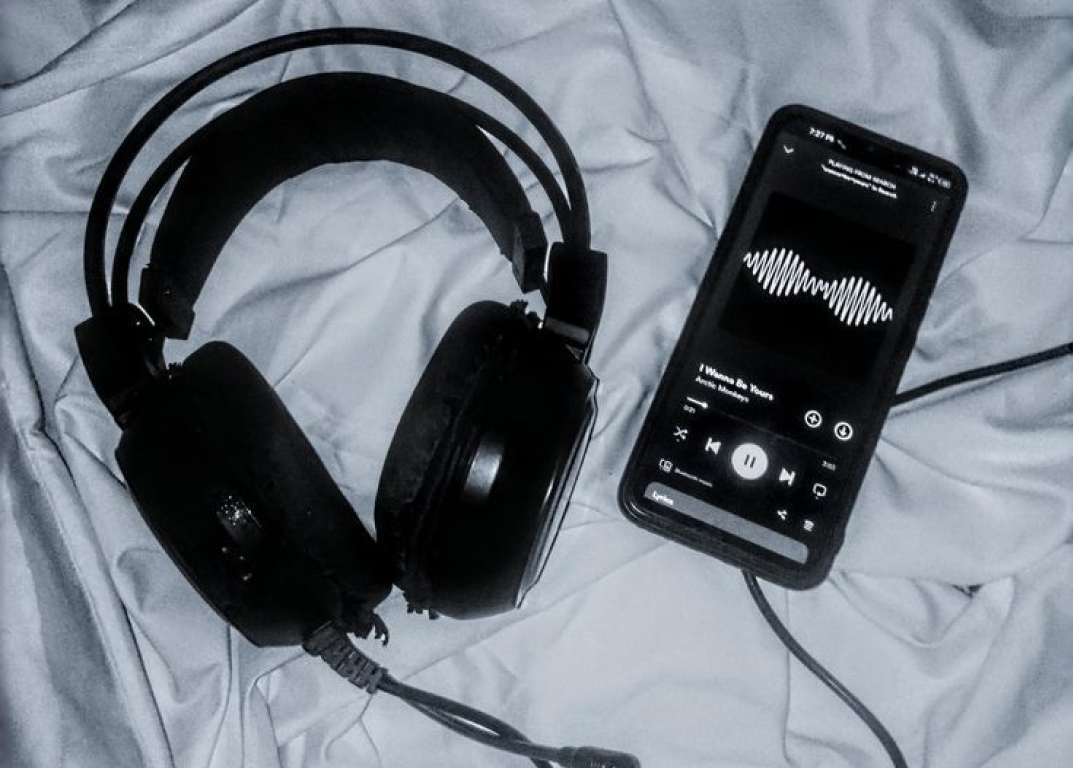
Over the last few years, the Indian music scene has seen a shift. Independent artists, many of whom started by uploading tracks on platforms like YouTube or Spotify are experimenting with lo-fi textures, alternative hip-hop beats, and emotional storytelling. When such artists collaborate with established singers known for classical training and Bollywood playback, the result becomes something unique. The music feels both nostalgic and futuristic. Listeners get: Raw, modern production Deep lyrical storytelling Powerful vocals that carry emotional weight This blend is exactly what makes songs like Is Tarah resonate with audiences across age groups.
One reason this style is gaining popularity is authenticity. Indie musicians often produce music that feels personal and unfiltered. At the same time, voices like Sonu Nigam bring a sense of musical depth and mastery that younger audiences may not have experienced through traditional Bollywood soundtracks. This combination creates a sound that feels: Emotionally raw Musically rich Social-media friendly Short clips from these songs often go viral on platforms like Instagram Reels and Youtube shorts, introducing them to millions of listeners within days.
The success of these songs highlights something important: music today thrives on collaboration rather than boundaries. Artists like Chaar Diwari represent a generation that grew up with internet culture and genre experimentation. When they collaborate with legendary singers, they bridge two very different musical worlds. For listeners, this means discovering: The emotional storytelling of classic playback singing The experimental creativity of the indie scene And when those two worlds meet, the result often feels refreshingly unpredictable
What we are witnessing is more than a trend, it’s a new direction for Indian music. Traditional industry boundaries between Bollywood playback singers, indie artists, and internet musicians are slowly dissolving. Instead, audiences are embracing music based on vibe, emotion, and originality, not just the platform it comes from. Songs like Is Tarah simply highlight this shift. They show how powerful music can become when legacy voices and modern creativity meet halfway. And this isn’t the only example of such genre-blending in India’s evolving music scene. Tracks like Husn by Anuv Jain have proven that emotionally driven indie music can reach massive audiences without traditional Bollywood backing. Similarly, artists like Prateek Kuhad with songs such as cold mess have built global fanbases through deeply personal songwriting and minimalist production. On the more experimental side, musicians like Ritviz continue to blur the lines between hip-hop, electronic music, and indie pop, bringing fresh sonic identities to the Indian music landscape. Together, these artists represent a generation that is reshaping how music is created, distributed, and discovered. Instead of fitting into predefined genres, they’re building a sound that feels borderless, emotionally honest, and deeply connected to digital culture. If this wave continues and all signs suggest it will, the future of Indian music will belong to artists who are not afraid to experiment, collaborate, and redefine what a “hit song” can sound like. And if this trend continues, the future of Indian music might just belong to these unexpected collaborations. Music today is no longer about fitting into a single genre—it’s about creating moments where different sounds, generations, and stories come together.