The Rise of Indie Streetwear in India
Writer – Writer – Amay
Walk into a pop-up in Bandra or scroll through the feeds of influencers who actually have style, and you’ll spot it. The logos are shrinking. The stories are getting louder. The vibe is unmistakably local, yet it feels like it could belong anywhere in the world — a change driven by a new wave of indie Indian brands.
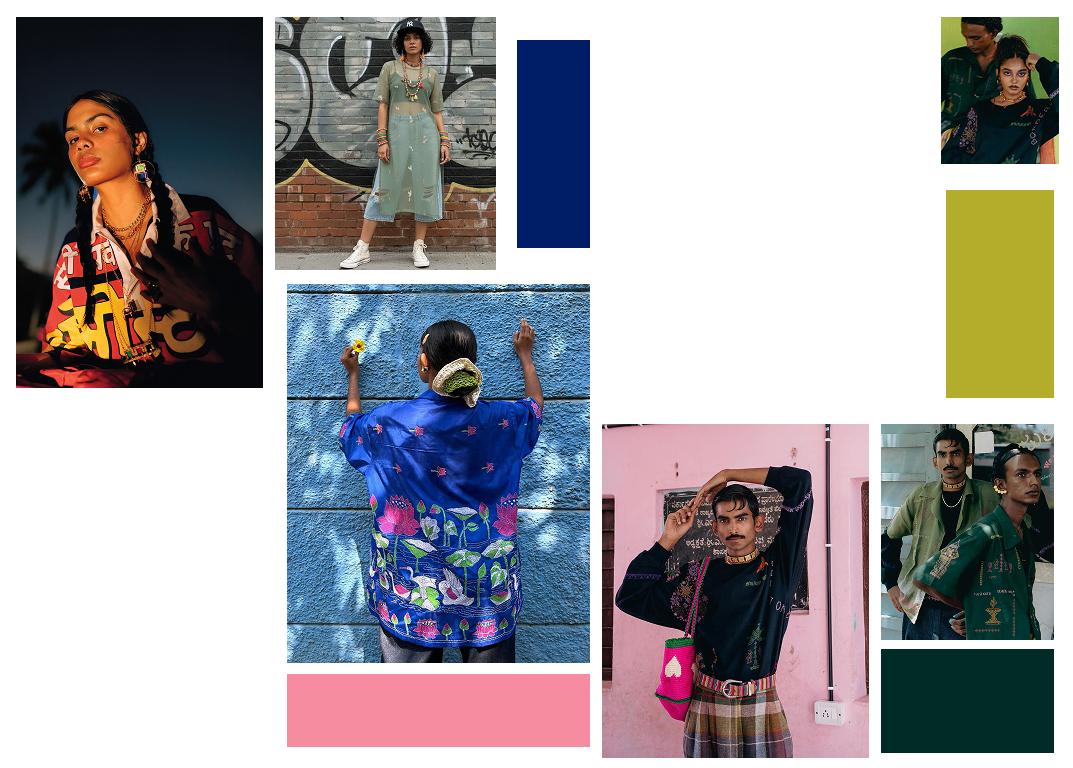
Walk through Bandra on a lazy Sunday, around Hauz Khas after dark, or near Koramangala cafés packed with college students, and you’ll notice something unmistakable. Indian fashion no longer looks uniform. Logos are smaller, silhouettes are looser, and outfits feel intentional rather than accidental. This change is being shaped by indie streetwear brands in India. This shift reflects the rise of indie streetwear brands in India - labels that aren’t trying to chase mass approval. Instead, they’re speaking directly to a generation that values individuality, culture, and honesty. What once existed as a niche internet subculture has now become one of the most influential forces shaping Indian youth fashion today. Streetwear in India is no longer about copying the West. It’s about expressing who we are, where we come from, and how we want to be seen.
Indie streetwear in India refers to independent, creator-led fashion labels that blend global streetwear silhouettes with local culture, language, and lived experiences. Unlike mass-produced fashion, these brands prioritise limited drops, storytelling, and community-driven identity over scale. In the West, streetwear grew out of skate parks, hip-hop crews, and surf culture. India didn’t have that same origin story and for years, it showed. Early attempts often felt like replicas of American or Japanese styles. But things changed when Indian streetwear brands stopped imitating and started interpreting. In the Indian context, streetwear is rooted in urban chaos, internet culture, college life, and the desire to stand out in an otherwise conformist society. Most of these labels are D2C fashion brands, run by small teams or even solo founders. They prioritise storytelling over scale and identity over reach. This is where underground fashion India quietly moved into the spotlight - not by being loud, but by being honest. Brands like Jaywalking or Almost Gods don’t design for everyone. They design for people who get it and that selectiveness is the point.
Global streetwear undeniably influenced India’s scene. The boom in hip-hop, sneaker collecting, and internet fashion exposed Indian youth to a global aesthetic. As sneaker culture India grew, so did the demand for clothes that felt just as relevant. As Vogue notes in its analysis of Indian streetwear’s global emergence, a growing number of homegrown labels are being recognised not just domestically but on international platforms — signalling that streetwear from India is beginning to stand on its own terms in the global fashion landscape. But the real shift happened when designers began filtering global inspiration through local realities. Instead of copying Supreme or Stüssy, creators asked better questions: What does streetwear look like in Indian heat? In local trains? In crowded gullies? The result is modern Indian street style a fusion of global silhouettes with local references. Hoodies with regional scripts, cargos inspired by workwear, jackets made using traditional fabrics. It allows young Indians to wear their heritage without looking dated. This isn’t nostalgia. It’s confidence.
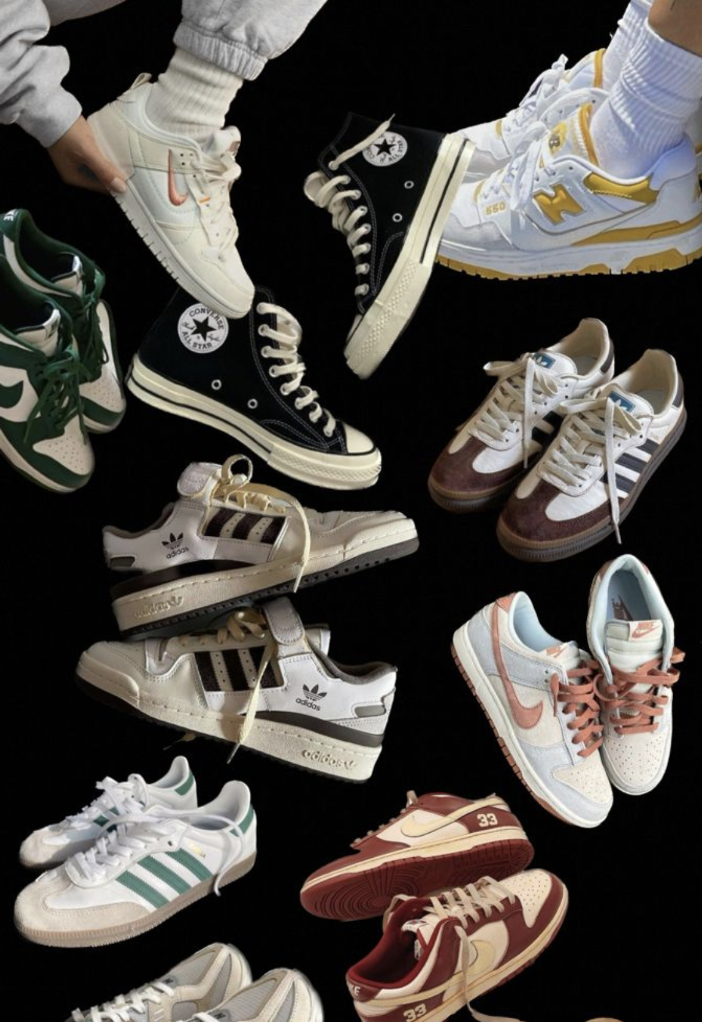

Sustainability wasn’t always a goal for indie labels but it became a byproduct of how they operate. Many are now evolving into sustainable fashion brands in India simply because overproduction isn’t an option. Small-batch manufacturing, made-to-order drops, and mindful sourcing naturally align with sustainable streetwear principles. Some brands experiment with organic cotton, hemp, or recycled fabrics, while others focus on ethical production and fair labour. For young consumers, this matters. They want style without guilt. They want to know where their clothes come from and who made them.
Discovering these brands takes effort and that’s part of the appeal. They rarely sit on department store shelves. Multi-brand platforms are playing a growing role in discovery, while Instagram remains the deepest rabbit hole. Follow one brand, explore their collaborations, and you’ll uncover dozens more. Pop-ups and sneaker events bring the culture offline, where fashion, music, and people collide. Brands like Six5Six Street, Biskit, Copdrop.in and Toffle each bring a different energy, proving how diverse this ecosystem has become.
The rise of indie streetwear brands in India is not a passing phase. It reflects a deeper cultural shift toward self-expression, community-driven fashion, and confidence in local identity. As the space matures, there will be more collaborations, more exports, and more commercial interest. Some brands will lose their edge. Others will define the next decade. But the foundation is strong. Indian streetwear no longer seeks validation - it exists on its own terms. If you’re upgrading your wardrobe, skip the fast-fashion rack and discover indie brands online with Cop&Drop - where culture, craft, and personality come first. Support the indie stre