Why Your Nani Still Has Better Skin Than You
Writer – Nidhi Dharme
Niacinamide, Vitamin C, Retinol, Salicylic Acid… you might have probably heard these names a thousand times lately. Our generation has essentially turned our bathrooms into mini laboratories. We’ve become amateur chemists, layering 10% this and 2% that, hoping the "glass skin" prophecy finally comes true. But while we’re busy decoding the back of a ₹1,500 serum bottle, there’s a quiet, yellow paste sitting in a steel dabba in your kitchen that’s been doing the heavy lifting for 5,000 years.
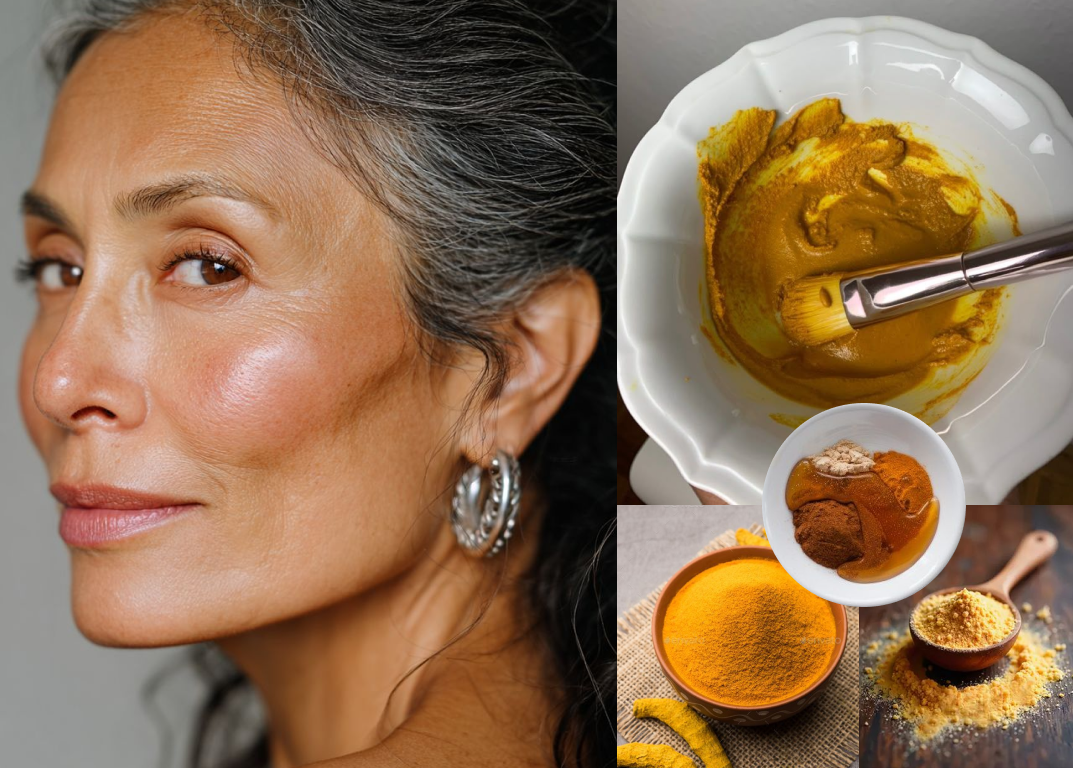
Niacinamide, Vitamin C, Retinol, Salicylic Acid… you might have probably heard these names a thousand times lately. Our generation has essentially turned our bathrooms into mini laboratories. We’ve become amateur chemists, layering 10% this and 2% that, hoping the "glass skin" prophecy finally comes true. But while we’re busy decoding the back of a ₹1,500 serum bottle, there’s a quiet, yellow paste sitting in a steel dabba in your kitchen that’s been doing the heavy lifting for 5,000 years.
Think about it. There is a glaring difference between the skin of someone from the 1900s and someone born after 2000. Most of us today are fighting a constant war with acne, unexplained sensitivity, and "skin conditions" that seem to pop up overnight. Meanwhile, if you look at your mother or grandmother, they often have skin like polished marble. The secret? They never applied a single "active" ingredient or a chemical based peel in their lives. They lived a chemical free lifestyle. We traded the Ubtan ritual for high end "shelfies," and our skin is paying the price.
We’ve been sold the idea that we need more "tech" to fix our faces. But the reality is that the market is now flooded with chemical heavy products that often cause more problems than they solve. The Chemical Chaos: When you layer too many synthetic acids, you strip your skin's natural oils. This makes you more vulnerable to the very things you’re trying to fight: pollution, dust, and UV damage. It’s a cycle where you use a chemical to fix a problem, the chemical weakens your skin, and the environment attacks it even harder. The Ubtan Advantage: Traditional Ubtan (Besan, Haldi, and Malai) doesn't just "clean" the surface. It works with your skin's biology. It maintains a natural pH balance and provides anti-inflammatory benefits that don't leave your face feeling like a sunburnt tomato.
1. The Pollution Factor: They breathed cleaner air. Today, our pores are literal magnets for urban smog and heavy metals. 2. The "Eating Out" : We’ve traded home cooked, antioxidant rich meals for processed sugar and seed oils. Your skin is a mirror of your gut, if you’re eating "junk," your skin will look like "junk," no matter how much ₹3,000 serum you apply. 3. The Blue Light Hustle: They slept with the sun. We sleep with a 6-inch screen blasting blue light into our faces at 2 AM, spiking our cortisol and triggering adult acne.
So, where does that leave us? Are we saying you should chuck your sunscreen in the bin and live in a cave? Not exactly. But it is time for a vibe check on our vanity. The "Glass Skin" we’re all chasing isn't something you can just buy in a 30ml dropper, it’s a byproduct of balance. Our grandmothers’ "polished marble" skin was the result of a life that respected the skin’s natural barrier instead of constantly trying to fix it with acids. They understood that Slow Beauty is more effective than a fast fix. At the end of the day, your skin doesn't need a miracle, it needs a break. Whether the solution comes from a lab in Milan or a steel dabba in Maharashtra.